New Growth Trends Highlight Demand for Diverse Housing Supply
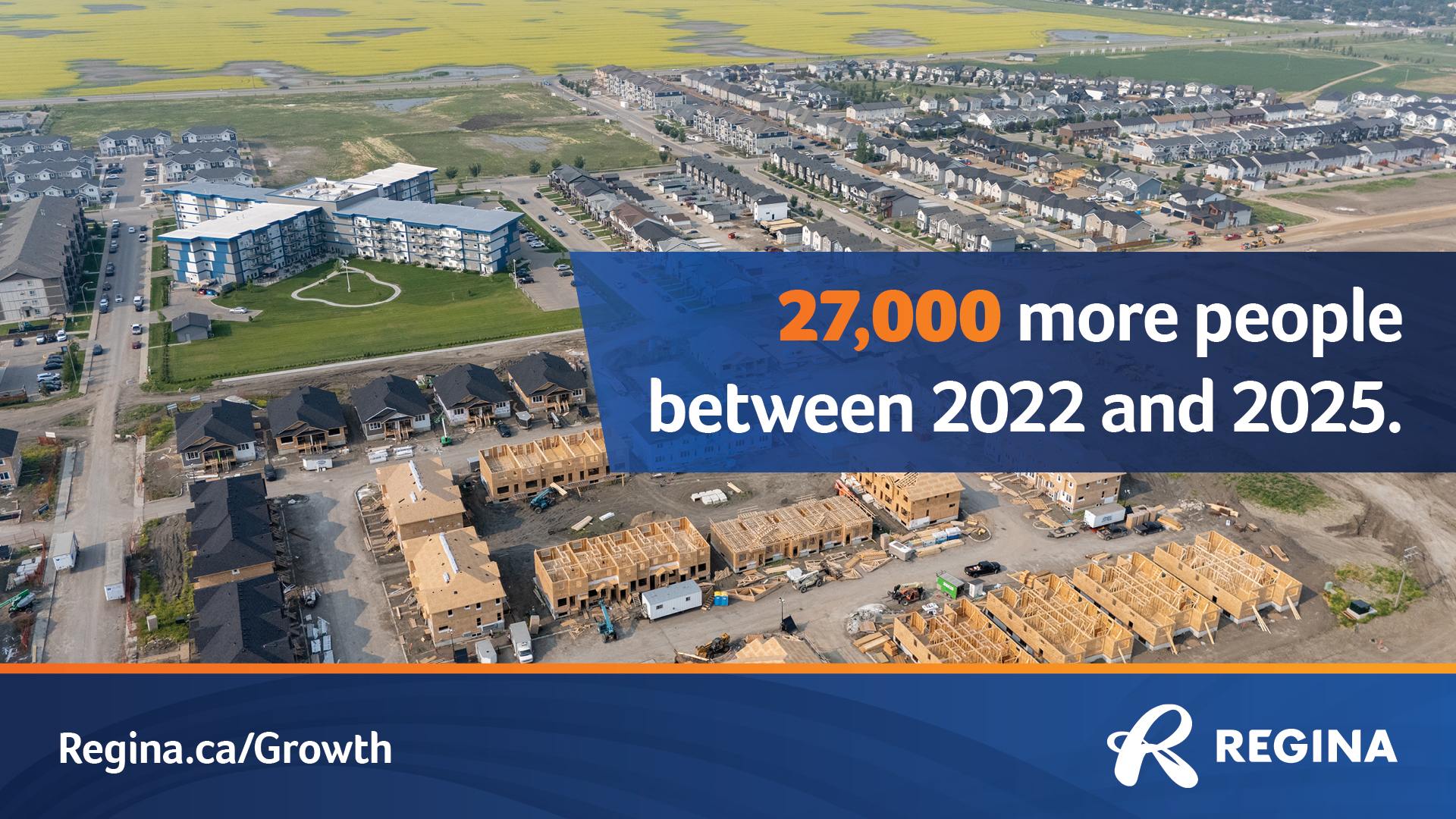
The 2026 Growth Monitoring Report shows an increase in Regina’s housing supply to meet demand driven by a population growth of 27,000 since 2021.
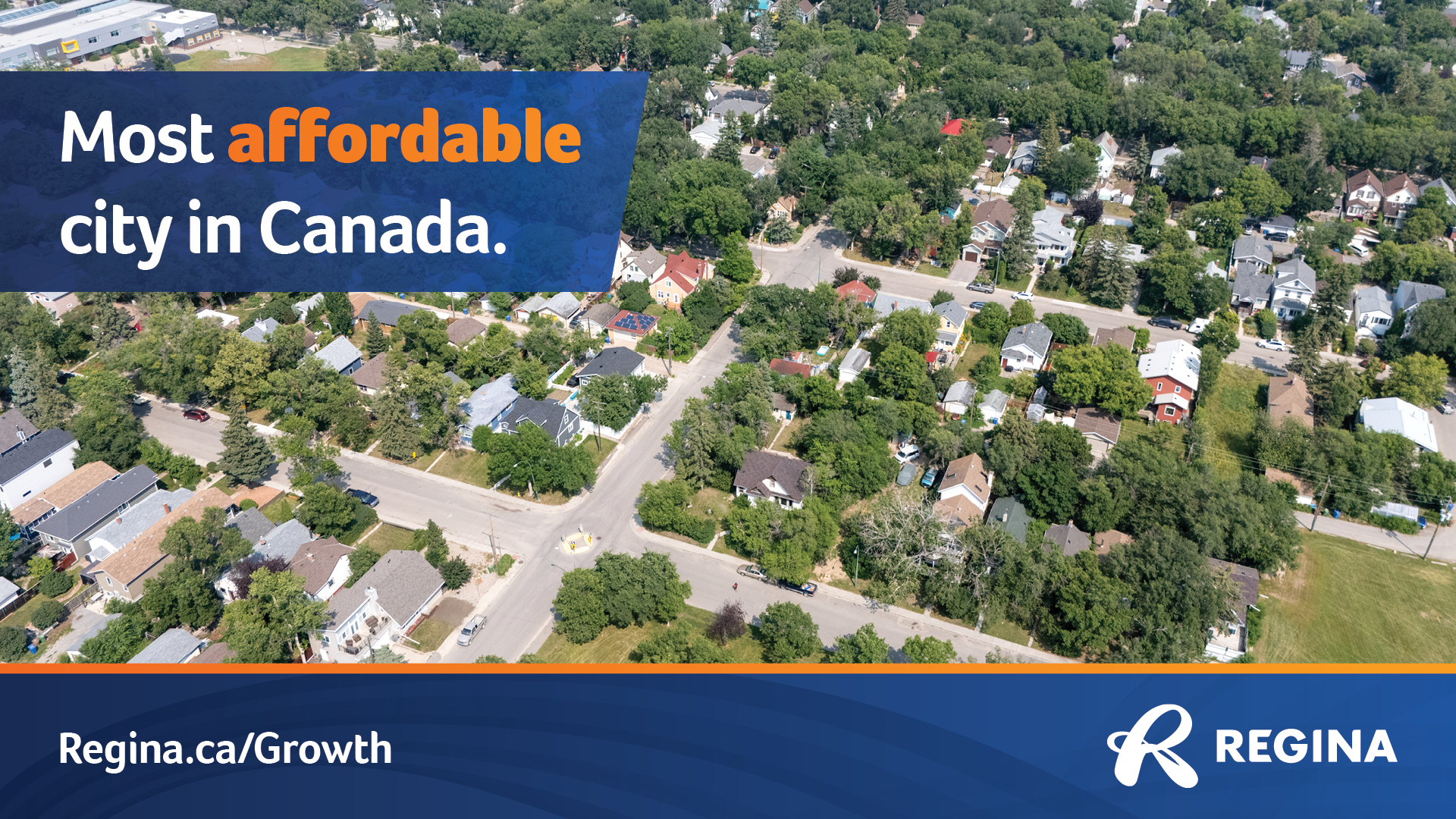
While market pressures are impacting prices, according to the Royal Bank of Canada’s (RBC) Housing Trends and Affordability Report, Regina is still the most affordable major Canadian city to buy a house based on a benchmark price of $356,400 (as of June 2026) across all housing types.
“By tracking housing market, development, economic and demographic trends, the City of Regina can make informed infrastructure investments and policy decisions that support long-term growth,” said Luke Grazier, Acting Director of Sustainable Infrastructure. “This data also helps measure how effective incentive programs are in supporting new housing development and revitalizing established neighbourhoods.”
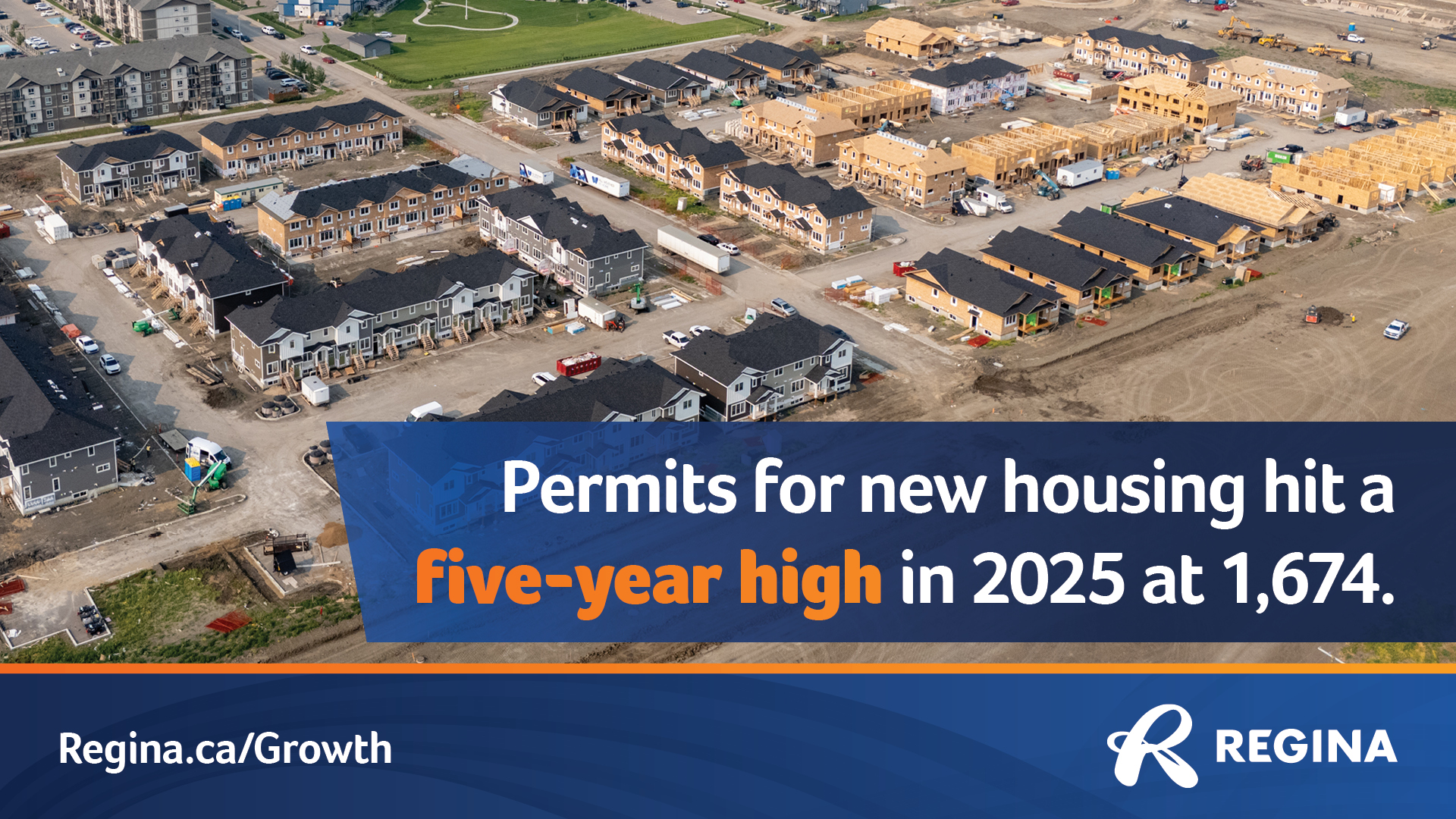
Fast population growth and a tight market for single-family houses are driving demand for more diverse housing options, such as apartments, multiplexes and secondary suites. Building permits for new housing units hit a five-year high in 2025, adding 1,674 new units. Of those new units:
- 58 per cent were multi-unit housing units.
- Five per cent were duplexes or semi-detached units.
- Four per cent were single detached units and secondary suites built together.
- 15 per cent were single detached homes.
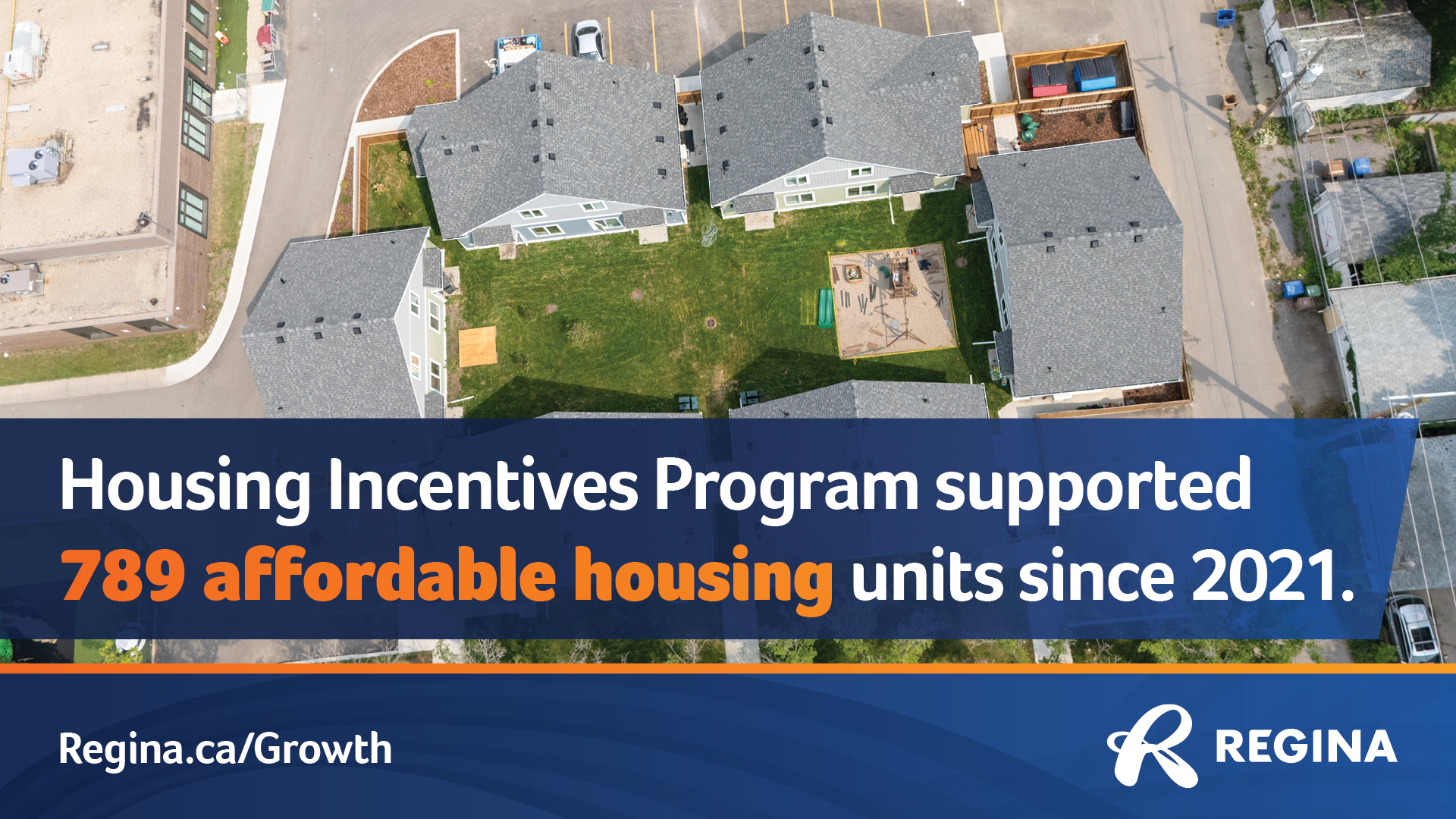
- There was a significant increase in building permits for standalone detached backyard suites and secondary suites representing 18 per cent of total units approved in 2025.
“One of the strengths of this report is that it looks beyond today's market conditions and focuses on Regina's long-term growth. As our population continues to expand, success will depend on aligning infrastructure, land supply and housing development so we can continue building complete communities that remain affordable and competitive,” said Stu Niebergall, President of the Regina and Region Home Builders Association. “The report also recognizes that no single housing type will meet Regina's future needs. Delivering a balanced mix of single-detached homes, townhomes, apartments and secondary suites will be critical to maintaining affordability and giving residents housing options at every stage of life.”
Servicing agreements for new neighbourhoods hit a 10-year high with 47 hectares of land ready to support new housing in greenfield areas on the outskirts of the city. Coopertown and Eastbrook represented the largest share of this land, followed by the Towns and Westerra neighbourhoods.
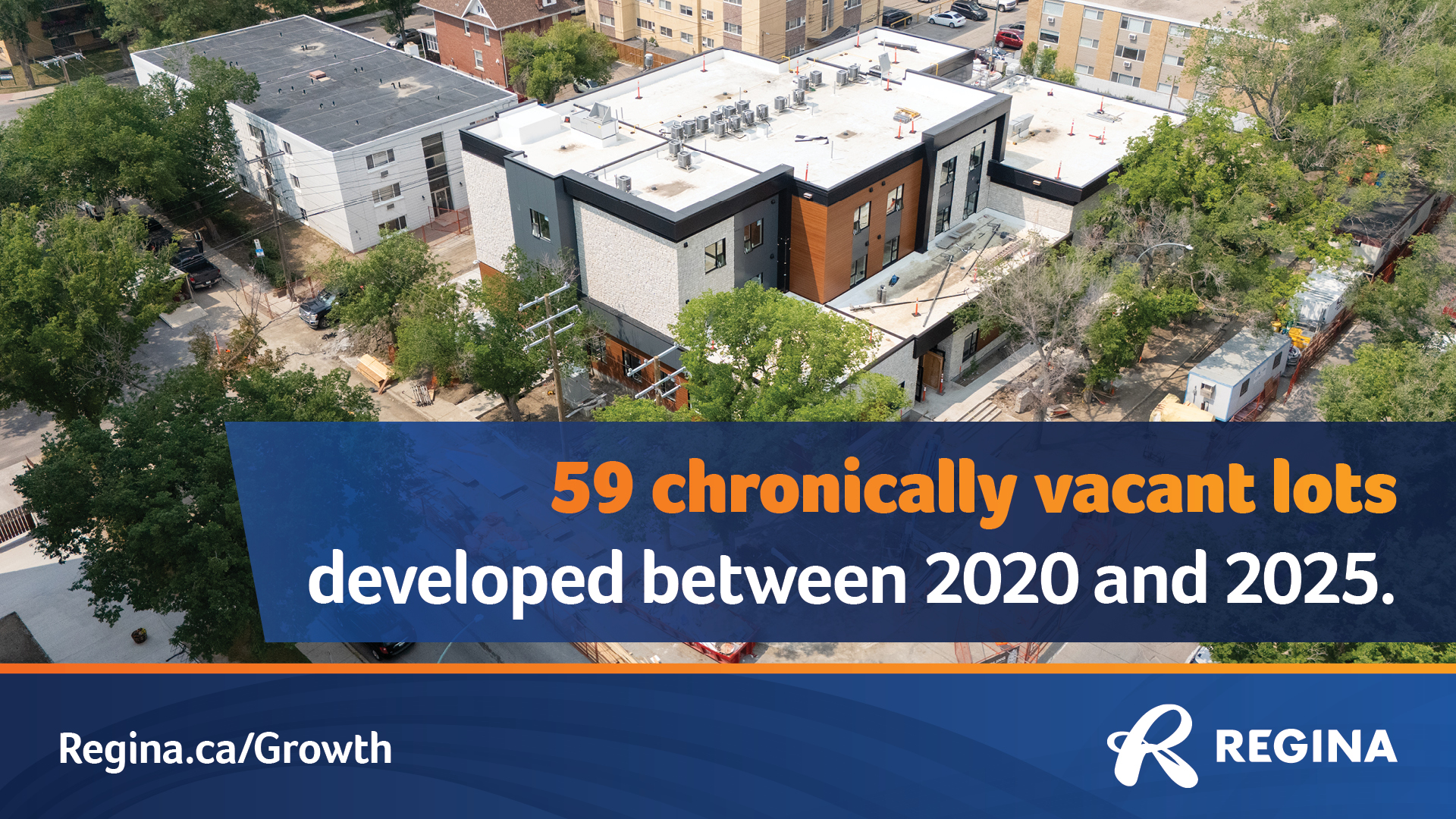
While the city grows outward, there is also progress on infill development initiatives. Over the last five years, 59 chronically vacant lots were filled with 411 new housing units, including 12 new developments in 2025, adding 50 housing units.
Visit Regina.ca/Growth to read the full report.