
Regina’s population is growing faster than ever before – adding 27,000 more people in the last five years. This population growth is expected to continue with another 22,500 new residents by 2030 based on census population trends recorded in the 2026 Growth Monitoring Report. This is why it’s important to balance growth in new neighbourhoods with creating space and capacity for people to live in established neighbourhoods, otherwise known as infill development.
Infill means making good use of vacant lots and empty buildings and promoting development in established neighbourhoods. This includes redeveloping vacant lots into housing, retrofitting empty buildings to use for new purposes or replacing aging buildings with new construction.
Infill helps create complete neighbourhoods with a range of housing options and a mix of businesses so people can access services, work and school close to where they live.
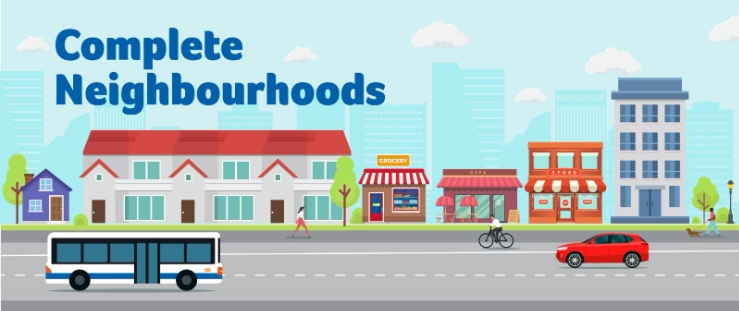
When cities grow inward, we make smarter use of the spaces, services and infrastructure we already have, rather than paying to expand outward.
Building and maintaining new infrastructure like roads and pipes is expensive. Growth in established neighourhoods means more residents share the cost of maintaining infrastructure that’s already in place. Bringing new people into established neighbourhoods also benefits businesses in the area, helps maintain school populations and keeps community spaces active.
Supporting the development of low-rise apartments, multiplexes or secondary suites creates space for more people. Infill development offers options for:
- Seniors who are downsizing and want to stay in their neighbourhood.
- Newcomers who are getting settled in the city.
- Young adults and changing families.
- Professionals who want to live closer to work.
Infill helps create complete, walkable neighbourhoods by expanding housing options and a mix of commercial development in areas with existing services and amenities. Building more housing and commercial space closer to work or school helps reduce commute times and promotes a range of transportation options including public transit, walking or cycling.
Regina’s Underutilized Land Improvement Strategy promotes the redevelopment of vacant land and buildings.
Regina has 667 vacant lots in our established neighbourhoods and 74 vacant buildings within the City Centre boundary.
The City is making progress on redeveloping vacant and underutilized land.
According to the 2026 Growth Monitoring Report and Underutilized Land Improvement Strategy Report, Regina recorded new development on 162 underutilized sites between 2020 and 2025. This included 59 chronically vacant lots that were turned into 411 new housing units and 75,000 square feet of commercial or institutional space.
Infill development can look different in different areas of the city.
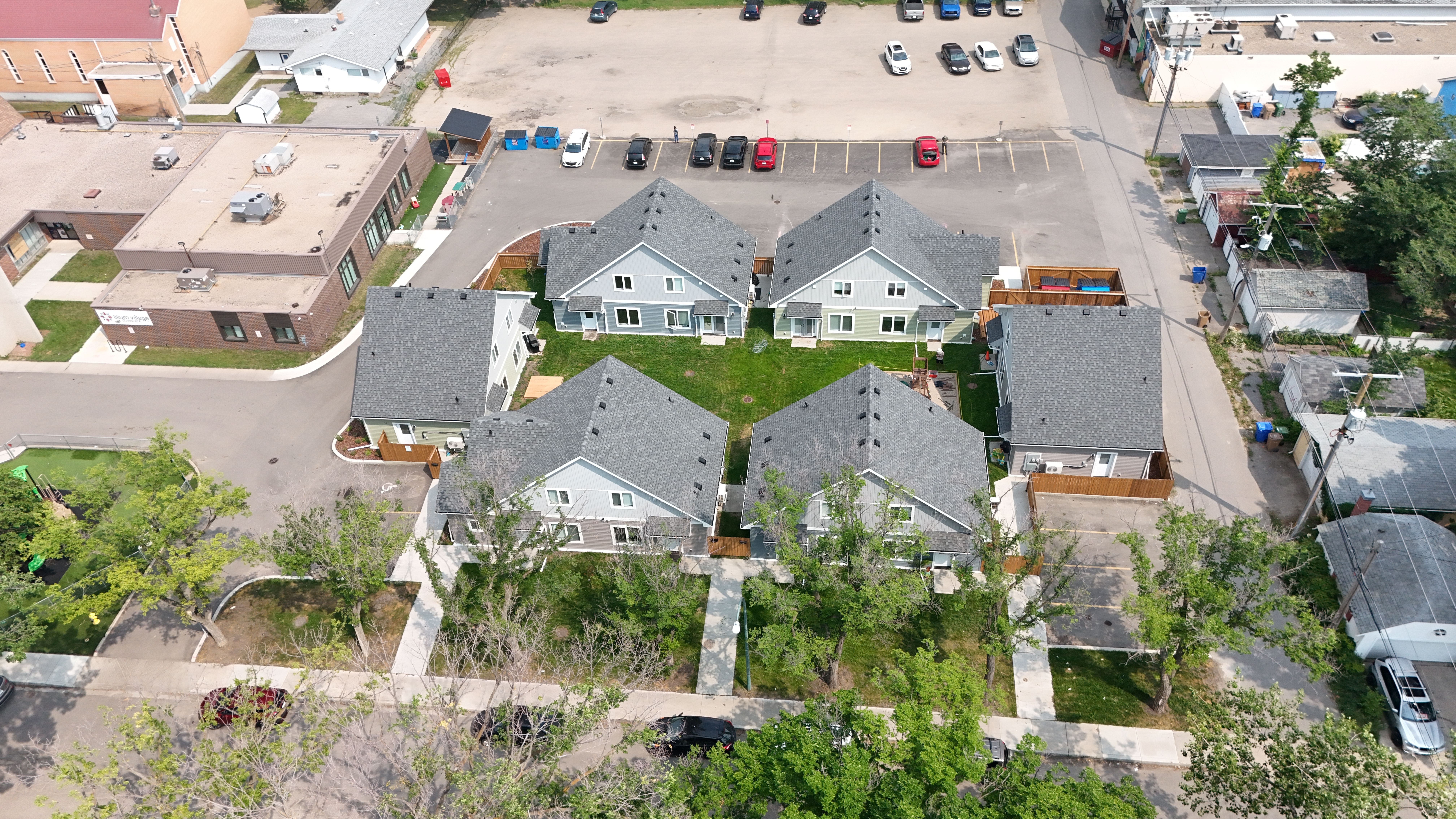 Example of a multi-unit housing development in an established neighbourhood.
The City Centre, including the Downtown and Warehouse District, has space for higher density housing like high-rise apartment buildings. Major streets served by transit are great for mid-rise developments, connecting people to employment, education, services and businesses.
Local retail streets support smaller-scale mixed-use development while established neighbourhoods are a great fit for multiplexes, townhouses and secondary suites.
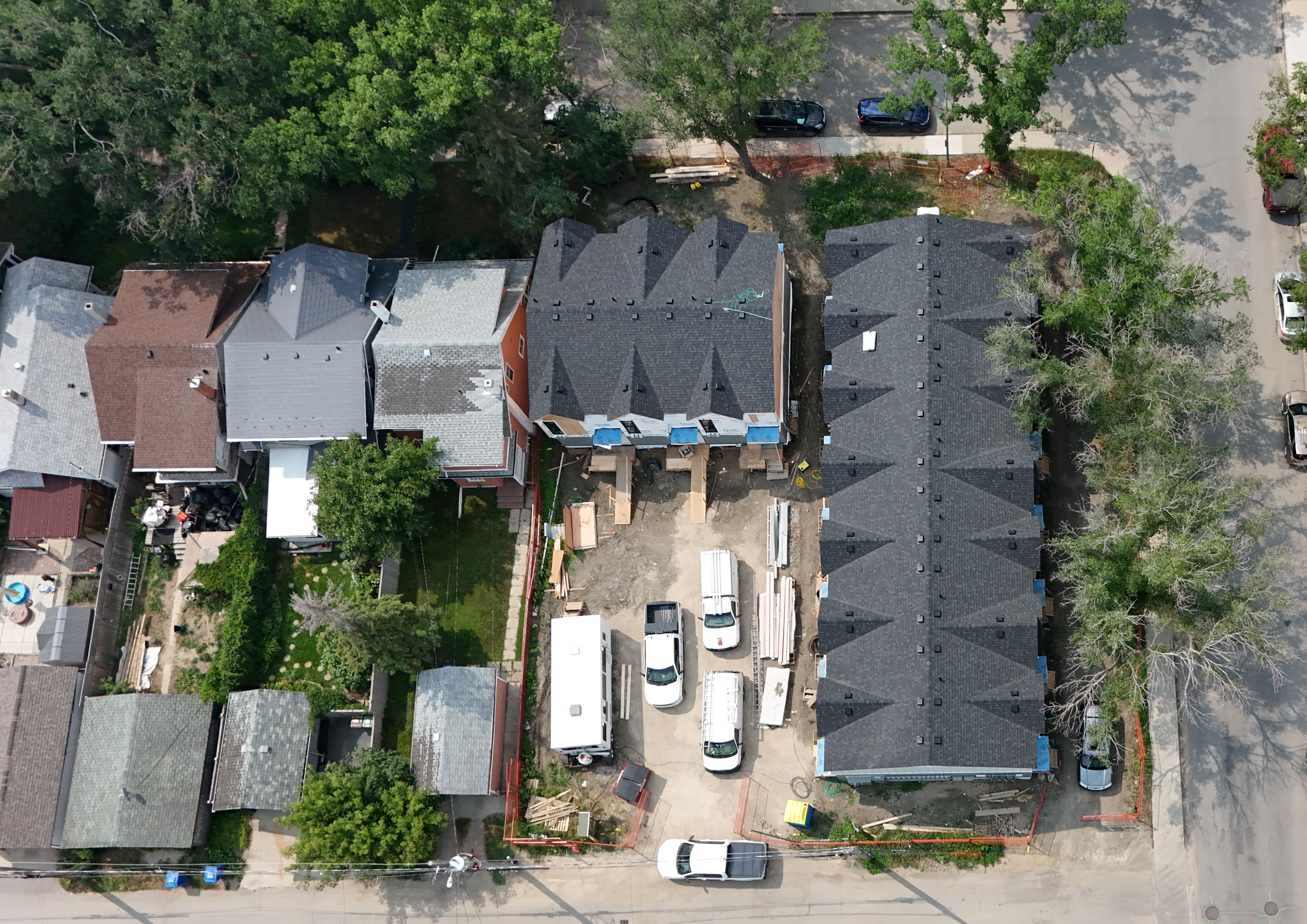 Example of multiplex in a central neighbourhood.
You can find examples of infill housing in many Regina neighbourhoods.
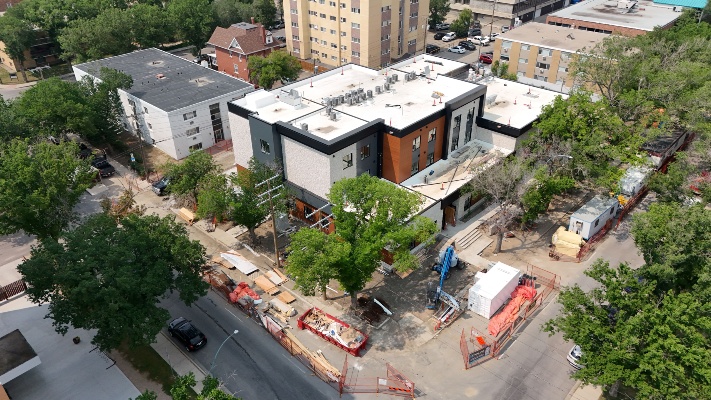 Example of infill development filling vacant land in established areas.
 Example of a four-storey apartment building on a major corridor and transit route.
 Example of a three-storey multi-unit housing complex in an established neighbourhood.
 Example of a townhouse style housing complex built on a parking lot.
Recent updates to the Zoning Bylaw allow a range of alternative housing options and mixed-use commercial spaces in neighbourhoods.
The City ensures fast permit turnaround times and waives permit fees on certain types of infill development in key areas near the City Centre. A range of incentive and tax exemption programs are also available to support business and housing development such as:
The City is making strategic investments to replace and upgrade aging infrastructure, including underground pipes, drainage basins and roadways. The goal is to improve service and expand capacity for more development in older neighoburhoods.